





Sanitaryware

The term ‘sanitaryware’ or ‘sanitary ware’ is a slightly ambiguous one that in very general terms refers to sanitary appliances found in installations, such as toilets and bathrooms.
In its narrowest sense, it can be taken to refer to WC bowls, cisterns, bidets, urinals, and washbasins (and sometimes sewerage pipes), that have traditionally been manufactured from porcelain (a ceramic material made from clay that might be described as 'vitreous china' when coated with enamel). This might be referred to as ceramic, porcelain or china sanitary ware, and is often white.
However, sanitary appliances are now made from a wide range of materials, including metals, acrylics, glass, and so on, and ‘sanitaryware’ is sometimes now interpreted to include a wider range of appliances that might be found in sanitary installations such as baths, showers, bins, incinerators, macerators, and so on.
NB: The Building Regulations Approved Document G: Sanitation, hot water safety and water efficiency suggests that the term ‘sanitary appliance’ means a ‘… WC, urinal, bath, shower, washbasin, sink, bidet and drinking fountain. It also includes appliances that are not connected to a water supply (e.g. composting toilet) or drain (e.g. waterless urinal).’
[edit] Related articles on Designing Buildings
- Approved Document G.
- Approved Document H.
- Bath.
- Bathroom definition.
- Bidet.
- Comparing porcelain and ceramic tiles.
- Drinking fountain.
- Earth closet.
- ECA Water Scheme.
- Installed level access shower.
- Lavatorium.
- Lavatory.
- Passive water efficiency measures.
- Porcelain.
- Secondary ventilation stacks in tall buildings.
- Septic tank.
- Sanitary accommodation.
- Sanitary pipework.
- Shower.
- Sink.
- Splashback.
- Solid surface wash troughs.
- Tiles.
- Types of sanitary appliances.
- Urinal.
- Wall hung toilet.
- Water closet.
- Wet room.
Featured articles
Check out some of the best features and news from Designing Buildings as well as key stories from around the web.
Households living near new pylons to save on bills.

ECA warns growth must not outpace grid capacity or skills.
The role of the client and decision making

CIOB response to built environment professions call for evidence.
Construction's sustainability reporting revolution
Tracking upfront embodied carbon with digital tools.
ECA welcomes procurement reforms

Public spending must back British jobs and skills.
Campaigning for Edinburgh: the Cockburn Association 1875-2049

The role of the civic voice in protecting character. Book review.

CIOB photography competition is open for entries.
ECA Edmundson apprentice of the year award
Finalists announced.
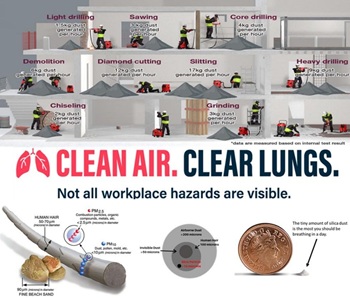
Major new study exposes serious knowledge gaps.

Generating energy from internal light as well as sunshine.

ECA welcomes plans to strengthen subcontractor quality control.

Combining mid-career qualifications with experience broadens career opportunities.